
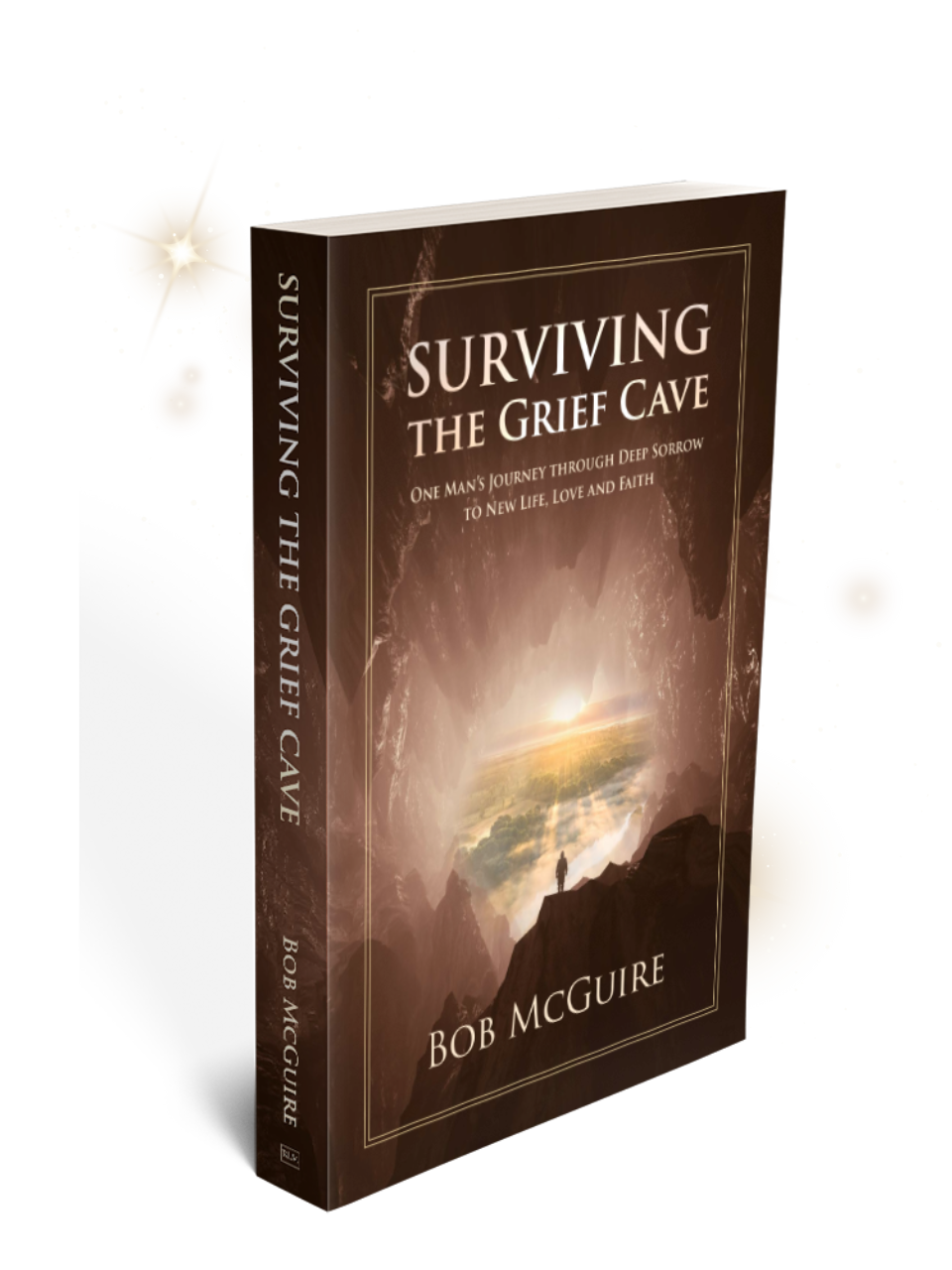
During the first year after I self-published my book, which I had been working on in private over the previous five years, several of my friends and family were quite shocked that I undertook the endeavor at all. “Wow, you wrote a book?!”
When it came to the question of “Why?” most people assumed it was for therapeutic reasons – that I needed to process everything I had been through and get the pain out of my system through writing. That’s partially true, but the main reason I wrote the book was to tell the outcome of my journey, an outcome that I never thought was possible: New life after paralyzing loss. I never imagined a new life would be possible. But it was. And I am living it.
So, I decided to go back and stitch together every painful detail I had documented in my written journals (that’s where the therapeutic benefits occurred), and every agonizing step along the way because they all led to a place that I didn’t think existed. A place of love, peace and joy. That’s the shocker. How could the agony of my grief journey lead to such a place? But it did.
And if a new life could happen for me, it could happen for others. So, I decided to write my story to help those suffering and lost in their own grief cave – especially men – and hopefully provide a glimmer of hope that it really is possible to build a new life after devastating loss.
Why do I say “especially men” as the intended readers? Because my experience taught me that we as men have a built-in disadvantage when it comes to dealing with grief. We tend to isolate ourselves from others, bottle-up our feelings, and suffer in silence. We don’t tend to have social connections like women often do, and somehow, we’re just supposed to deal with it all and figure it out. Alone. Ask for help? No way. And the cave gets deeper and darker.
This book is one I wish I had read when I was going through my grief. Instead of a formula to follow, it invites the reader along on my journey through grief which, in turn, will help propel the reader forward on their own path. Although each person’s path through grief is unique and different, we can learn and grow from each other.
The term “grief cave” best describes my experience, which is why I used those words in the title. Unlike many more adventurous souls, I don’t like caves at all. They frighten me and give me a claustrophobic feeling of being trapped. A cave cuts me off from the outside world, isolates me, intensifies every negative thought or emotion and puts me in an environment where I feel like I’m losing my mind.
The good news is the cave has a way out, an exit. I’m not trapped inside it forever, unless I decide to stay there. For me, that exit appeared after I learned the lessons it had to teach me. And that’s exactly what grief does, if we allow it to: It teaches us. With a unique and customized set of lessons for each one of us.
But I’m getting ahead of myself. I need to start at the beginning, long before I knew a cave even existed.
You made it out of the cave, many don’t! I hope to the ones that are struggling, they find your book! And exit the cave as you have!